Activate Draw Instancing on Terrain
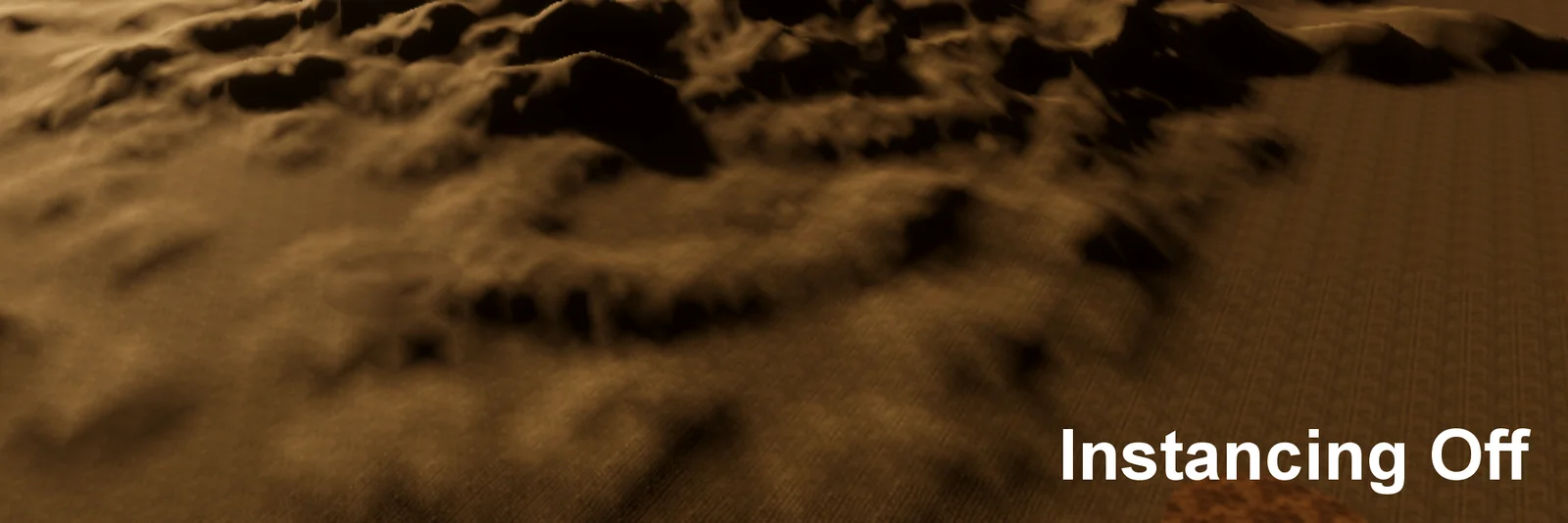
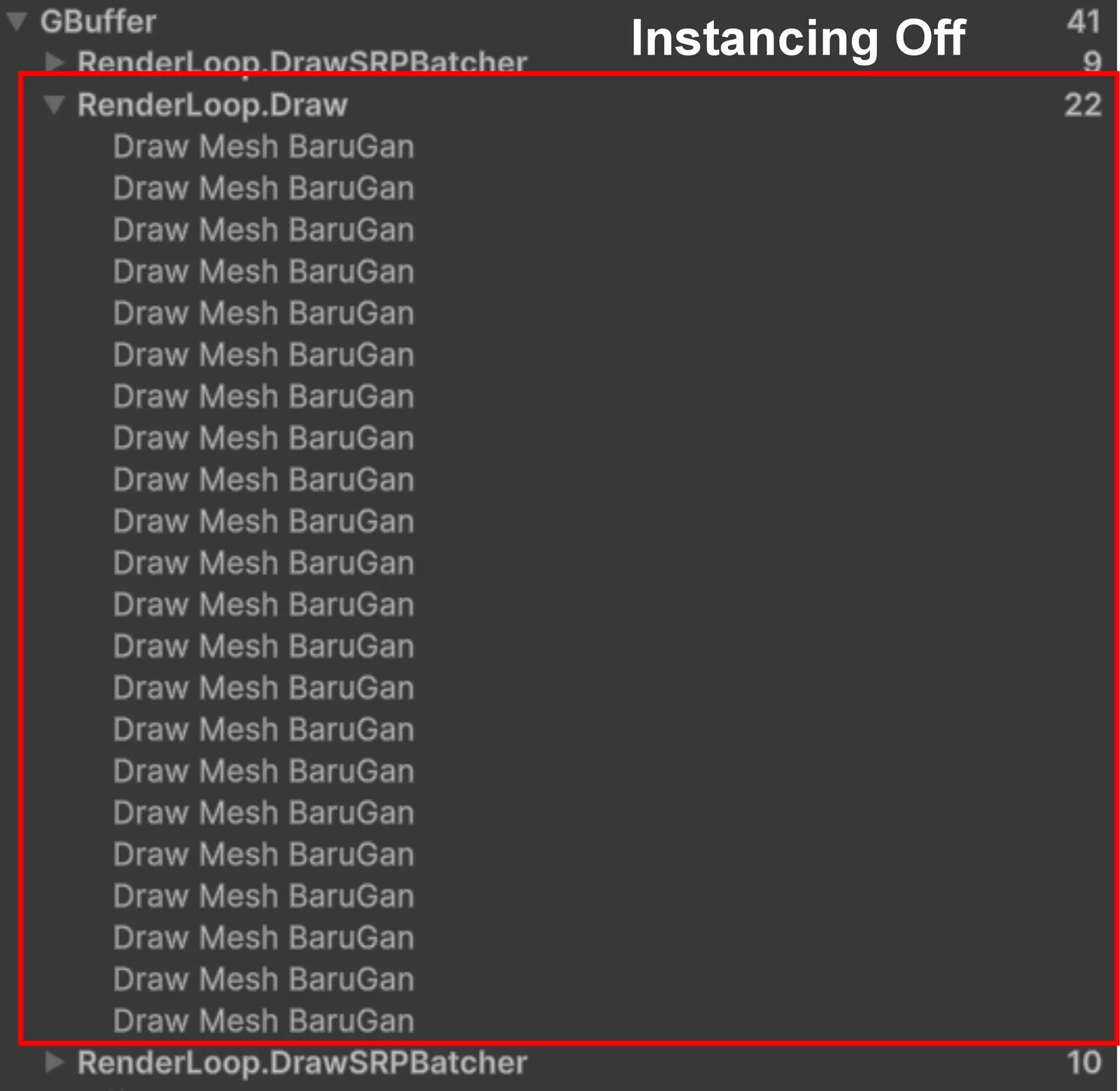
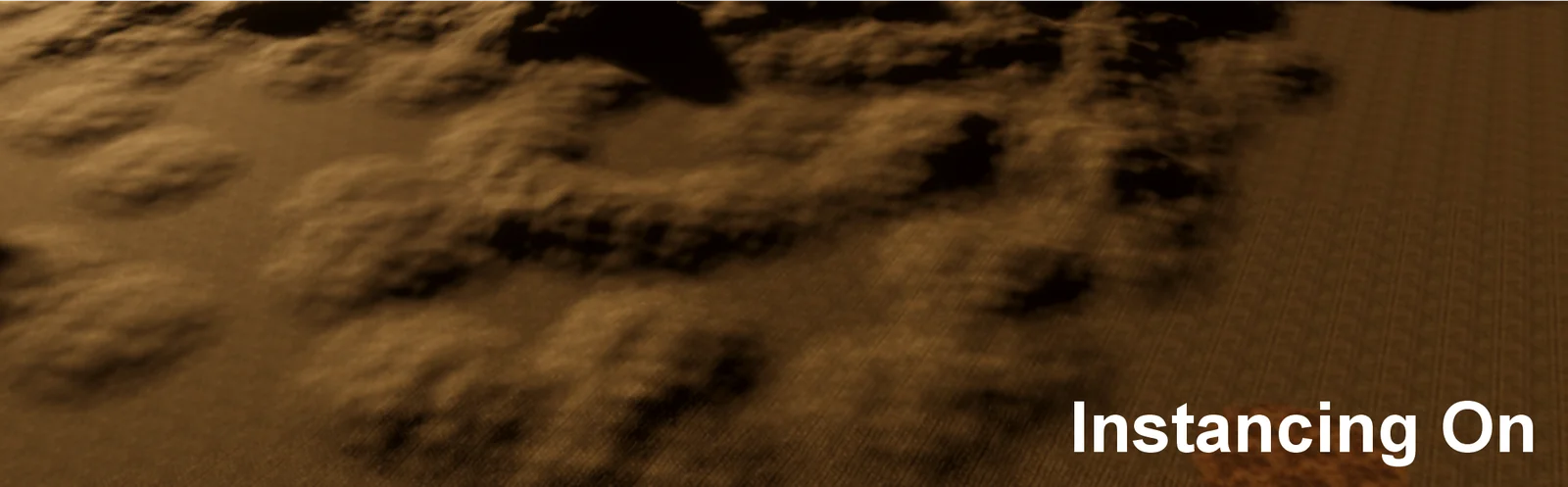
With standard terrain shaders, enabling tessellation forces developers to disable Draw Instancing, creating massive draw call spikes. OptiTerra was engineered to keep Draw Instancing fully active alongside Tessellation.
Texture Resolution Budgeting
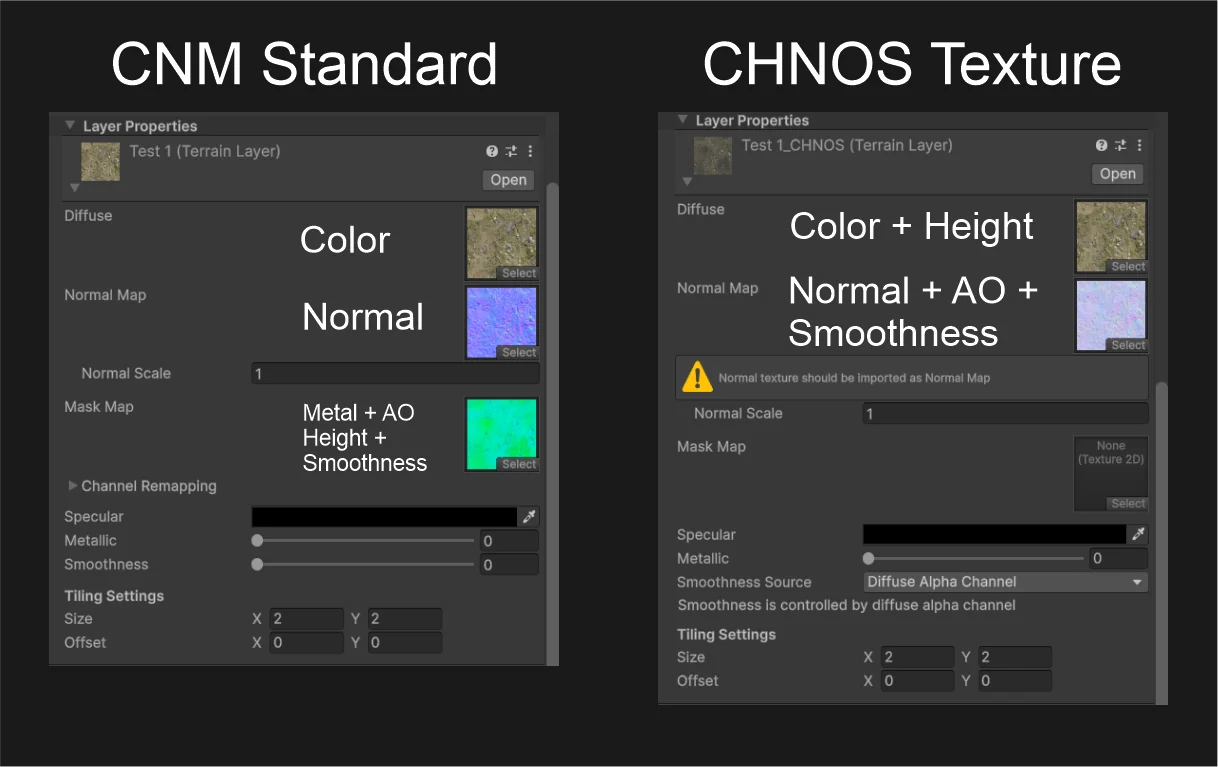
Use 512px for CH (Color + Height) and 2K for NOS (Normal + Occlusion + Smoothness). Fine geometric surface detail lives in the NOS texture; the color map can be safely quartered in resolution with zero perceived loss in fidelity.
Compression Best Practices
Apply BC7 compression exclusively to the NOS array where high bit-depth normal channels are essential. For the CH array, use BC1 or BC5 to conserve GPU bandwidth.